
Make a material list before combining the load
Identify the main debris groups and how they arise: a household clearout, a renovation, removed fixtures, packaging or another activity. Use photographs and a plain description where the contents or material are uncertain. Do not assume that one accepted item makes the rest of the mixed load acceptable.
Keep liquids, chemicals, batteries, appliances and other items needing specific handling out of the proposed general load until the provider gives clear instructions. This is not a universal acceptance or prohibited-material list. The actual material, facility arrangements and applicable requirements must be resolved for the request.
Decide whether one waste arrangement is enough
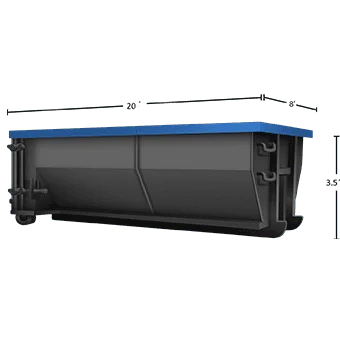
A dumpster is a temporary debris container that is delivered and collected under an agreed arrangement. Capacity, permitted contents and loading conditions all matter. A container can appear to have spare room while a material or weight condition already limits further loading; do not use visible space as the only test.
If the material groups cannot be accepted together, ask what separate arrangement is appropriate. Do not hide unresolved items underneath an accepted load. Explain the amount and how quickly debris will be produced so the provider can discuss equipment and whether removal, a replacement container or another approach is suitable.
Give loaders and the collection vehicle workable access
Describe the proposed Palmdale address, property entrance and placement area. The provider must assess the approach, working space and surface for the offered equipment. Explain overhead obstructions, parked vehicles or gates rather than assuming a spot that looks empty is suitable for unloading and recovery.
The loading arrangement also needs to work for the people bringing debris. Keep paths to toilets, washing and building entrances separate from the debris operation. Establish property permission and ask the responsible authority about any applicable public-space requirement; a rental quote itself is not permission to occupy a street or other land.
Resolve the loading limits and pickup decision in writing
Ask the provider to explain the permitted load and how to recognise the agreed loading limit. Do not add material beyond the accepted conditions, put people inside the container or improvise a way to increase capacity. Report unexpected material or an access change before continuing with an arrangement that no longer matches the quote.
A useful offer identifies the container, accepted material, rental period, delivery, collection, included weight where applicable and the treatment of extra time or excess weight. Discuss prohibited or special-handling items, a changed load and failed access. No numeric rental rate can replace those decisions; request terms for the actual project.
Questions before you book
Can everything from one cleanout go into the same dumpster?
Not necessarily. Describe the material groups and obtain specific instructions for uncertain or special-handling items before mixing them into the load.
Does spare space mean I can keep loading?
No. The agreed material, loading and weight conditions still apply. Ask how the provider wants those limits assessed for the offered container.
Does booking a container give permission to put it on the street?
No. Confirm property permission and any applicable public-space requirements with the responsible authority before agreeing that position.
Are dumpster and porta potty requests the same service?
They are separate equipment and service arrangements. Select Dumpster Rental for the debris request and Porta Potty Rental for sanitation, even when both relate to the same project.