
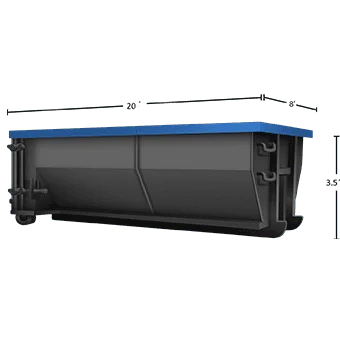
Describe the material and how it reaches the container
List the materials, uncertain items and the activities producing them. Ask the supplier which materials are accepted and whether any need separate handling. Do not use one broad description such as renovation waste to conceal items whose disposal requirements have not been checked.
Explain how material will move from the work area to the proposed container position. Consider who is loading, the permitted route and whether debris can be held safely and lawfully before loading. A container’s presence does not by itself solve handling or temporary storage constraints.
Compare staged loading with another agreed arrangement
If material arrives gradually, discuss whether one container can remain for the required period and be loaded in stages. If that would leave too much material waiting or conflict with site use, ask about a different arrangement, such as an agreed exchange or separate loads. Availability and terms must be confirmed.
Keep incompatible or unapproved materials outside the proposed load. An exchange is not a substitute for acceptance of the contents, and changing container size does not automatically make a material acceptable. Ask the supplier to explain the arrangement against the actual material flow.
Check placement and loading instructions before committing
Review the position and handling approach with the supplier and property contact. Discuss the surface, clearances, access restrictions and the space needed to set down and recover the container. Do not assume a parking space is suitable solely because the container appears to fit within it.
Ask for the loading instructions, fill limits and any material or weight restrictions applicable to the offer. Clarify how heavy or awkward items should be handled without inventing a universal size or allowance. Keep people and vehicles out of an unsafe loading conflict and obtain appropriate site permission.
Quote the chosen flow through the final load
The proposal should identify the accepted material, container arrangement, rental period, included delivery and recovery, and any agreed exchange. Ask how extensions, additional loads, excess material or rejected items would be handled. A flexible-sounding description should not replace these specific terms.
Keep collection access usable as the work progresses. Tell the supplier if a new barrier, parked equipment or another activity affects recovery. Confirm when loading is finished and how pickup is arranged rather than assuming that a full container automatically schedules its own collection.
Questions before you book
Does one roll-off have to stay for the whole project?
Not necessarily. Discuss the production and holding of material, the available space and whether staged loading or another confirmed arrangement is more suitable.
Is an exchange automatically included?
No. Ask whether an exchange is offered and included in the specific proposal, and confirm its timing and conditions.
Can an unapproved material be loaded if there is still room?
No. Available space does not establish acceptance. Identify uncertain items and obtain the supplier’s instructions before loading them.
Does a full container automatically trigger pickup?
Do not assume it does. Follow the agreed notification and collection process, and keep the handling approach available.